

If you have kids, you already know the struggle. Interior painting in Costa Mesa, CA homes takes a beating when little hands leave marks, scuffs, and mystery stains on your walls. Whether it’s crayon streaks from an art project gone wild or dings from flying toys, wall damage is just part of life with children. The good news? Learning how to touch up paint on walls can save you time, money, and frustration.
But here’s the thing: a bad touch-up looks worse than the original damage. You’ve probably seen those splotchy patches that stick out like a sore thumb. That’s what happens when homeowners skip a few steps or use the wrong approach. This post will walk you through the right way to get a seamless, invisible repair that makes your walls look brand new again.
Key Takeaways
- Clean the damaged area first before applying any paint
- Use the original paint whenever possible for the best color match
- The right tools make touch-ups easier and faster
- Knowing when to DIY and when to call a professional house painter saves you headaches
- Proper technique matters more than expensive supplies
Why Wall Touch-Ups Fail?

Most homeowners who try to touch up paint on walls end up disappointed. The new paint dries a different shade. The edges show. The texture doesn’t match. These problems happen because of a few common mistakes.
- Using old or improperly stored paint is the biggest culprit. Paint changes over time. Even if you saved the original can from your last interior house painting project, it may have separated, dried out, or shifted in color. Always stir old paint thoroughly and test it on a hidden spot first.
- Skipping surface prep is another rookie error. If you paint over dust, grease, or debris, the touch-up won’t bond properly. A quick wipe with a damp cloth makes a big difference.
- Applying too much paint creates visible ridges and texture differences. Less is more when touching up small areas.
How to Touch Up Paint on Walls the Right Way?
Here’s the process interior painters follow to achieve results that actually blend in.
Step 1: Gather Your Supplies
You’ll need:
- Original paint (or a closely matched sample)
- Small angled brush or foam brush
- Clean cloth or sponge
- Fine-grit sandpaper (220-grit works well)
- Painter’s tape (optional)
- Small roller for larger areas
Step 2: Clean and Prep the Area
Wipe down the damaged spot with a damp cloth. Remove any dust, fingerprints, or sticky residue. If there’s a scuff mark, try cleaning it first. Sometimes what looks like paint damage is just surface dirt that comes off with a gentle scrub.
For deeper scratches or dents, lightly sand the area to smooth it out. This helps the new paint bond better and creates an even surface for blending.
Step 3: Test Your Paint Match
Before committing to the touch-up, dab a small amount of paint in an inconspicuous area. Let it dry completely. Paint often dries darker or lighter than it appears wet, so testing prevents surprises.
If the color doesn’t match, you may need to take a paint chip to your local store for color matching. Many Costa Mesa hardware stores offer this service. A professional house painter can also help with tricky color matching on older walls.
You may also use paint color visualizer or any color-matching apps available.
Step 4: Apply Paint in Thin Layers
Dip just the tip of your brush into the paint. Remove excess by lightly tapping it on the rim of the can. Apply a thin, feathered coat to the damaged area, working from the center outward.
Let it dry completely before adding another layer if needed. Multiple thin coats blend better than one thick coat.
Step 5: Blend the Edges
The edges of your touch-up are where most people get tripped up. Feather the paint by gradually reducing pressure as you move toward the existing paint. This creates a soft transition instead of a hard line.
For textured walls, you may need to stipple or dab the brush to match the surrounding texture.
When Touch-Ups Just Won’t Cut It

Sometimes, no matter how careful you are, touch-ups don’t work. Here’s when it makes sense to call an interior painter for help:
- The paint is more than a few years old, and the color has faded on your walls
- Multiple areas need repair across the same wall
- The damage is larger than a few inches in diameter
- You can’t find or match the original paint color
- Your walls have a special finish, like eggshell or satin that shows imperfections easily
Interior painting in Costa Mesa, CA, is worth doing right. If your walls have taken years of kid-related abuse, a full repaint might give you a fresh start that lasts longer than patchy repairs.
Matching Paint: The Trickiest Part of Any Touch-Up
Getting an exact match is hard, even for professionals. Here are some tips that help:
- Save leftover paint properly. Store cans upside down to create a seal that keeps air out. Write the room name and date on each can so you can find what you need later.
- Take the actual paint to the store for matching, not just the lid or a picture. Color-matching technology works best with a physical sample.
- Consider repainting the whole wall if you can’t get a close match. It sounds like more work, but a clean edge at a corner or ceiling line hides the difference better than a patch in the middle of a wall.
A good interior house painting company will often do color consultations and help you pick shades that hide wear better. This is especially helpful in high-traffic areas where your kids spend most of their time.
Preventing Future Wall Damage
Living with kids means accepting some chaos. But a few smart choices can reduce how often you’re reaching for the touch-up brush.
- Choose washable paint finishes, such as satin or semi-gloss, for playrooms, hallways, and kids’ bedrooms. These clean up easier than flat finishes.
- Add chair rails or wainscoting in areas where little hands touch most. These features protect walls and add character to your home.
- Keep a small container of touch-up paint ready in an easily accessible spot. Quick fixes work better than waiting for damage to pile up.
Many professional house painter teams recommend interior painting in Costa Mesa, CA homes with scrubbable paints designed for families. Ask about these options during your next interior house painting project.
Get Help From a Local Interior Painter When You Need It
Learning how to touch up paint on walls is a skill every homeowner should have. For minor marks and scuffs, DIY touch-ups work well. But when damage accumulates, or your paint no longer matches, it might be time to bring in a professional house painter to give your home a complete, lasting refresh.
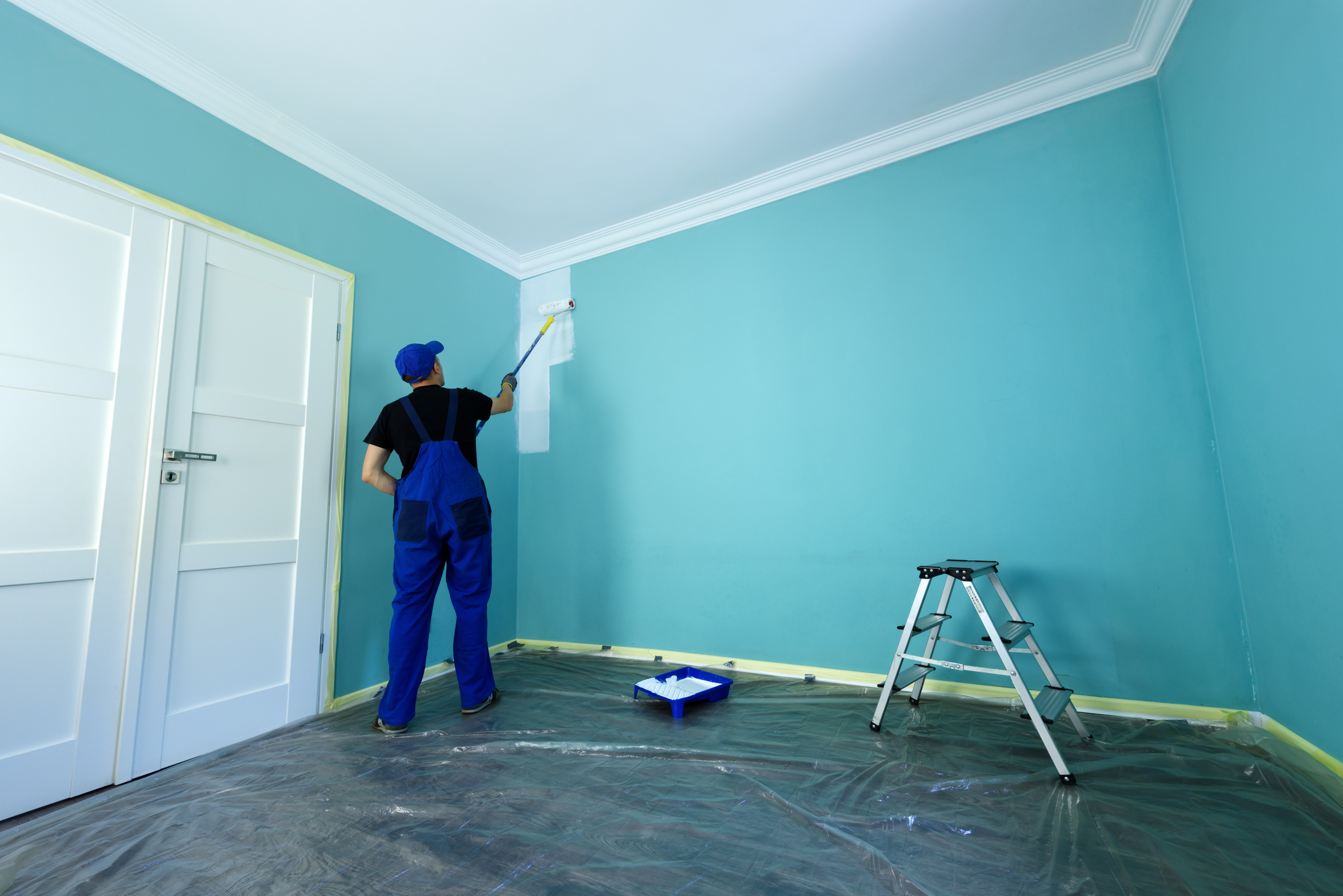
If your walls have seen better days and touch-ups aren’t cutting it anymore, consider scheduling a consultation. A local interior painter can assess the damage, match your colors, and give you an honest answer about whether repairs or a full repaint makes more sense for your situation.
Ready to get your walls looking their best again? Contact Rock & Rollers Painting at 949-806-3205 to schedule a free estimate. We’ll help you figure out the smartest solution for your Costa Mesa home, whether that’s quick touch-ups or a full interior painting project that makes your walls kid-proof and beautiful for years to come.