
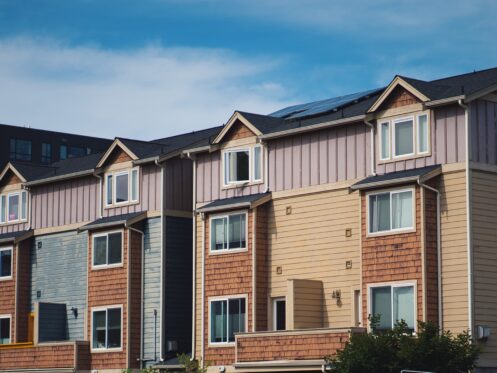
Key Takeaways
- Most communities run a 7- to 10-year repaint cycle. Coastal Orange County buildings often run on the shorter end of that range.
- Exposure matters more than the paint brand. Salt air, direct sun, and the surface materials on your buildings affect the timeline the most.
- Wood, railings, and trim wear faster than stucco. A smart plan paints in phases instead of all at once.
- Plan 9 to 18 months ahead. A community-wide repaint needs that runway for reserve approval and color review.
- Waiting is rarely the cheap option. Letting paint fail usually costs more than painting on schedule.
The Short Answer on How Often an Apartment Complex Should Be Repainted
Here is the number boards ask for first. Most multifamily and condo communities should plan a full exterior repaint every 7 to 10 years. That matches what the paint makers themselves report. Sherwin-Williams reports that exterior coatings generally last seven to ten years. That range moves with climate, surface, and product quality, as they note in their own exterior painting how-to resource. But a single number hides the part that actually drives your budget. Two communities built the same year, painted with the same product, can sit on very different schedules. Exposure is the real lever. A building wrapped in shade trees ages more slowly than one baking on a west-facing slope. That is why a flat “every eight years” rule can leave you repainting too soon on one elevation and far too late on another.| Surface or exposure | Typical repaint window |
|---|---|
| Stucco, shaded or inland | 8 to 10 years |
| Stucco, coastal or full sun | 5 to 7 years |
| Wood siding and trim | About every 5 years |
| Railings, doors, high-touch metal | 4 to 6 years |
What Really Decides Your Repaint Schedule
 The paint can on the shelf gets too much credit. Four things move your timeline far more than the label does.
- Sun and salt. Coastal communities near Newport Beach and Huntington Beach take a beating from UV and salt air. That combination of chalk and pigment works at caulk lines faster than inland weather, so those properties often run on the shorter end of the range.
- Surface material. Stucco holds a finish for years. Wood and metal move with heat and moisture, so they crack and rust on a quicker clock.
- Prep on the last job. A repaint that skipped pressure washing or primer rarely reaches its full life. Good prep is the quiet reason some communities stretch a cycle, and others fall short.
- Color and product. Darker colors fade faster under strong sun, and an entry-level coating from a prior budget repaint can shave years off the schedule.
The Part Boards Lose Sleep Over
The deadline you feel is rarely about paint. It is about the meeting where an owner asks why the buildings look faded, or the morning you learn the reserve study assumed a repaint you have not funded yet. That pressure is real, and it is the actual problem behind the search. You are not trying to win a paint trivia question. You are trying to avoid a surprise special assessment and the resident emails that follow it. That is the spot where a repaint stops being a color choice and becomes a budgeting decision. Boards that handle it well treat exterior paint as a protective system on a schedule. They stop treating it as a cosmetic favor they do the property only when complaints pile up. Our HOA and condo painting program is set up to give you that schedule in writing, so the next board inherits a plan instead of a crisis.Why Waiting Usually Costs More
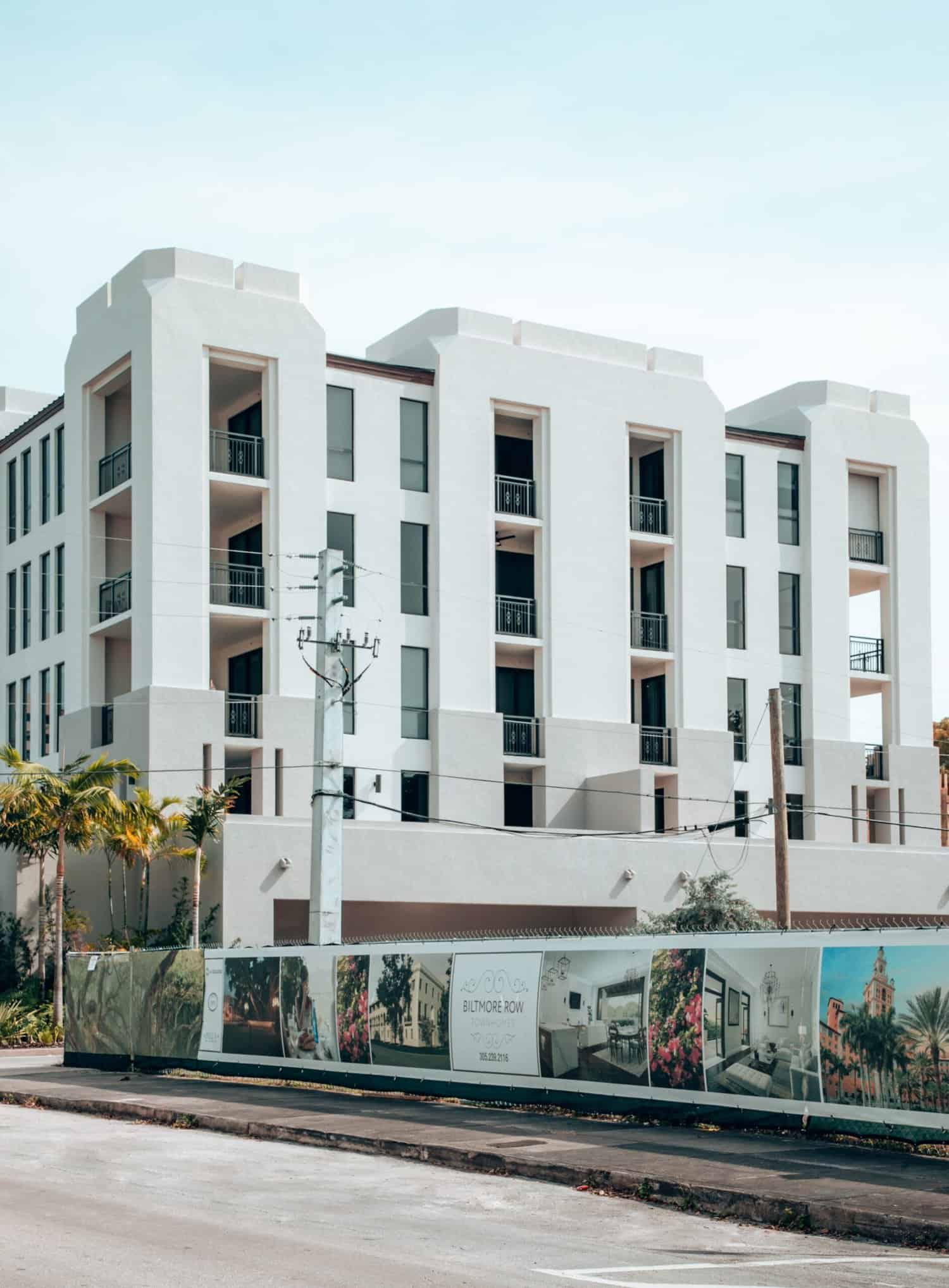 Here is the contrarian part, and it is worth saying plainly. Painting “as late as possible” is not the cheap option. It only looks cheap on this year’s budget.
When an exterior paint finish fails, it stops sealing the surface underneath. Moisture gets into cracks in stucco and joints in wood, and a paint project quietly turns into a repair project. Industry coating specialists point out that deferred work allows small cracks to grow into larger repairs, while costs keep climbing. So the board that “saved” money by waiting often pays for paint, plus carpentry, plus a higher rate each passing season.
There is a softer cost too. Faded, peeling buildings shape what renters and buyers think before they ever read a listing. In a competitive rental market, that first impression at the curb moves real money in vacancy and lease rates.
Here is the contrarian part, and it is worth saying plainly. Painting “as late as possible” is not the cheap option. It only looks cheap on this year’s budget.
When an exterior paint finish fails, it stops sealing the surface underneath. Moisture gets into cracks in stucco and joints in wood, and a paint project quietly turns into a repair project. Industry coating specialists point out that deferred work allows small cracks to grow into larger repairs, while costs keep climbing. So the board that “saved” money by waiting often pays for paint, plus carpentry, plus a higher rate each passing season.
There is a softer cost too. Faded, peeling buildings shape what renters and buyers think before they ever read a listing. In a competitive rental market, that first impression at the curb moves real money in vacancy and lease rates.
A Simple Plan You Can Bring to the Next Meeting
You do not need a construction degree to get ahead of this. A repaint plan really comes down to three moves.- Walk the property once a year. Look for chalking, hairline cracks, peeling trim, and rust at railings. Photograph the worst elevations so the file grows year over year.
- Match the cycle to your reserve study. Set a planning window of seven to ten years, then sharpen it with what your annual walk shows. Phase the work by building or elevation if a single year is too heavy on the budget.
- Start early. A community-wide repaint requires a planning runway of 9 to 18 months, including bidding, board approval, and color review. Begin those conversations long before the paint is visibly failing.
When to Call in a Painting Partner
A few signs say the clock has run out, and they are easy to spot on a slow walk:- Powdery residue on your hand when you touch the stucco
- Trim or fascia that is peeling, cracking, or pulling away
- Rust bleeding through railings, gates, or stair stringers
- Color that has visibly faded on the sun-facing elevations
- A reserve study that flags paint as due within the next budget year
Get a Repaint Schedule You Can Actually Plan Around
Knowing how often an apartment complex should be repainted only helps if it turns into a calendar your board can fund and follow. That is the work we do every week. Rock & Rollers Painting has spent more than 25 years painting condo and apartment communities across Orange County, Los Angeles, and the Inland Empire. We also hold California C-33 painting license #1143082. We will walk your property and show you which surfaces are on the fastest clock, then hand you a phased plan that lines up with your reserve study, not against it.
Call Rock & Rollers Painting today at 949-806-3205 for a free on-site assessment, or reach out through our condo and apartment painting page. Bring us in before the paint fails, so the next repaint becomes a line you planned for rather than a bill that surprised you.