

You moved the couch to rearrange the living room, only to discover a problem. There’s a scuff on the wall you never noticed before, and the paint can that could fix it in five minutes is long gone. Now what? For Costa Mesa homeowners facing this exact scenario, these paint-matching tips can mean the difference between an invisible repair and a patch that screams “DIY disaster.” Understanding how to color match paint on a wall without the original can isn’t magic. It’s a method.
This post walks you through the real reasons paint matching fails, a detailed process for getting it right, and the point at which hiring a professional house painter is the smarter move.
Key Takeaways
- Your wall color has changed since it was painted due to UV exposure, aging, and environmental factors.
- Cutting a chip from a hidden area of your wall gives color-matching machines the best data to work with
- Sample pots are non-negotiable. Testing before committing saves money and frustration.
- The finish of your paint matters just as much as its hue.
- An interior painter brings equipment and techniques that outperform hardware store solutions.
Why Most Homeowners Struggle with Paint Matching
Most people assume paint matching is straightforward. Grab a sample, scan it, buy the match, done. Reality works differently.
The color on your walls has been shifting since the moment the painter packed up and left. California’s sun is brutal on pigments. South-facing walls in Costa Mesa homes can fade noticeably within just a couple of years. North-facing walls in the same house might look almost original. The result is that no single “color” exists on your walls anymore. You’ve got a gradient of variations depending on light exposure, air circulation, and even furniture placement.

Here’s where it gets worse. The spectrophotometer at your local hardware store. That gadget that scans your chip and generates a formula. Reads the color as it exists today. It has no idea what the original formula was. It also can’t account for the lighting differences between the store and your home. What looks like a perfect match under fluorescent retail lighting can look completely off under the natural light streaming through your Costa Mesa windows.
Orange County’s coastal environment compounds the challenge. Humidity from the Pacific affects how paint cures and ages. Salt air creates micro-deposits that alter surface appearance over time. Homes near Upper Newport Bay experience different aging patterns than homes inland near the South Coast Metro. These variables stack up, making how to color match paint on a wall a genuinely difficult task. Not because you’re doing something wrong, but because the conditions work against you.
And then there’s the emotional toll. You try a match, it fails, you try again, and now you’ve got three different paint patches that all look wrong. That single scuff behind the couch has turned into a project that’s eaten two weekends and fifty dollars in sample cans. The wall looks worse than when you started.
How to Color Match Paint on a Wall: Step-by-Step
Follow these paint matching tips in order. Each step builds on the previous one, and shortcuts usually lead to disappointing results.
1. Locate a Hidden Section of Your Wall
The sample you bring to the store determines everything. Grab it from the wrong spot, and you’re doomed from the start. Look for areas shielded from direct sunlight and daily wear: inside closets that share the same wall, behind heavy furniture that hasn’t moved in years, or below a wall-mounted shelf. The goal is to find paint that’s aged the least. Cut a chip roughly the size of a quarter using a sharp utility knife. Slice all the way through the paint layers to the drywall paper. This gives the scanner the complete color profile.
2. Visit a Store with Reliable Color-Matching Technology
Not every paint counter is equal. Big-box stores in Costa Mesa generally have spectrophotometers, but calibration and operator skill vary. Ask the technician how recently the machine was calibrated. A well-maintained machine paired with an experienced technician produces significantly better results. If possible, visit during off-peak hours when staff can take their time with your sample rather than rushing through a line.
3. Request a Sample Pot Before Buying a Gallon
This is where most homeowners go wrong. They trust the machine and buy a full gallon immediately. Don’t. Paint looks different wet versus dry, and it looks different under store lights versus home lights. Invest in a sample container. It costs a few dollars and saves you from the frustration of a gallon you can’t use.
4. Apply a Test Patch and Evaluate Over 24 Hours
Brush your sample onto the wall in an inconspicuous spot. Then walk away. Paint shifts as it cures, and you need to see the final dried color before making judgments. Check the test patch at multiple times throughout the day. Morning light, midday brightness, and evening with interior lamps on. Colors that look acceptable at noon can look jarringly off at 7 PM.
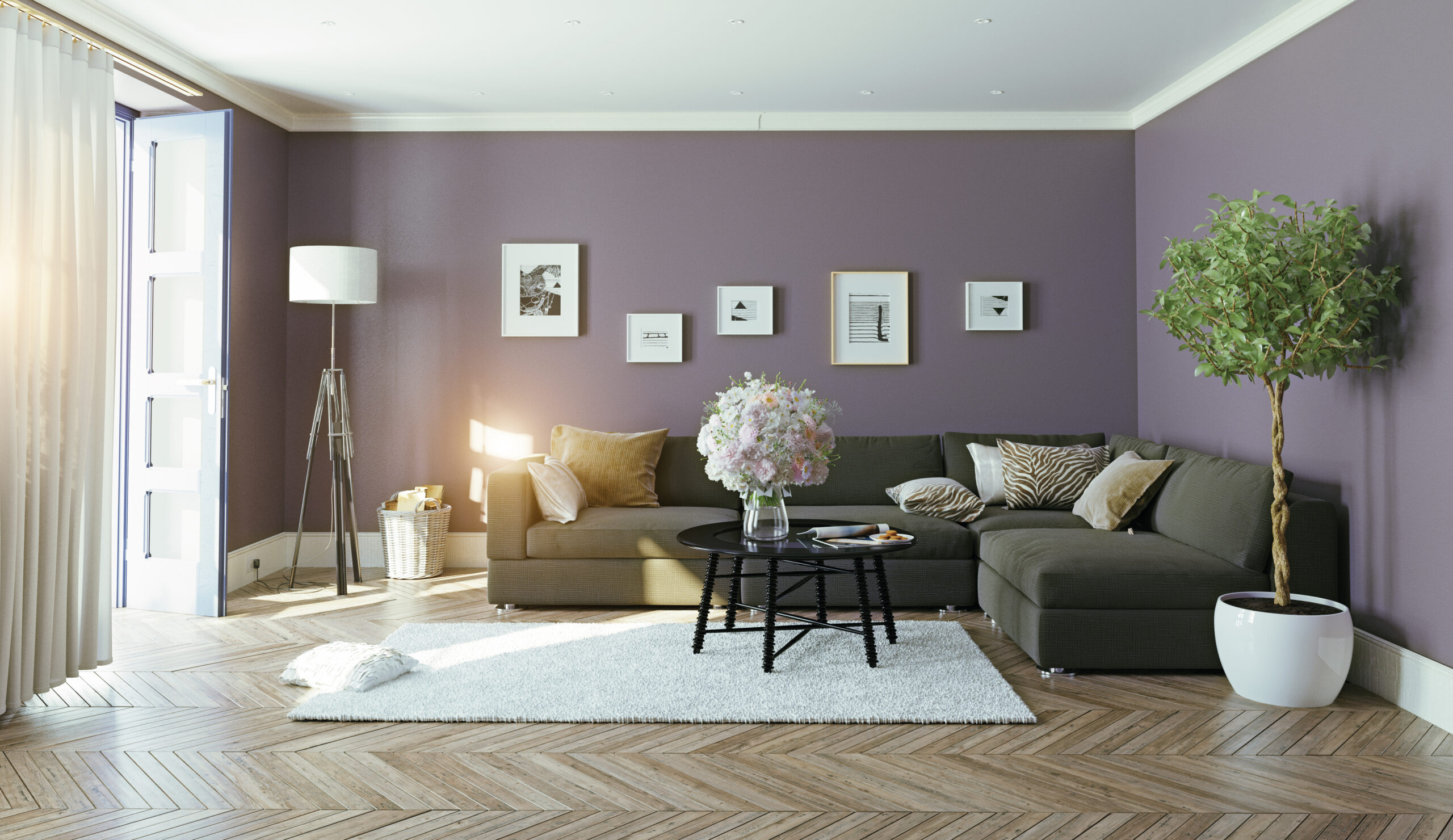
5. Confirm the Sheen Matches Your Existing Wall
Color is only half the equation. Sheen, the level of glossiness, affects how light reflects off the surface. Eggshell paint on a flat wall creates a visible patch even when the color is identical. Most homeowners can’t distinguish between sheens by eye. Bring your chip to the store and ask for help identifying whether your walls are flat, eggshell, satin, or semi-gloss. Match both color and finish for invisible results.
6. Clean and Prime Before Painting
Walls accumulate grime you can’t always see. Wipe down the area with a damp cloth and let it dry before applying your matched paint. If you’re covering a patched area, filled holes, repaired cracks, or fresh drywall compound, apply primer first. Unprepared surfaces absorb paint differently, which throws off the color match no matter how accurate your formula is.
7. Use Proper Application Technique
How you apply paint affects the final appearance. Roll if the original wall was rolled; brush marks on a rolled surface stand out. Feather the edges by extending paint slightly beyond the repair area with decreasing pressure. This gradual transition helps the new paint blend into the old rather than creating a hard line.
8. Recognize When a Full Wall Repaint Makes More Sense
Sometimes, matching a small area simply won’t work. Significant fading, multiple failed attempts, or walls with inconsistent aging patterns all point to the same solution: paint the entire wall from corner to corner. A clean break at corners and ceiling lines eliminates the matching problem entirely. Counter-intuitive as it sounds, repainting a full wall often takes less time than chasing a perfect spot match.
How a Professional House Painter Can Help
At some point, the math stops working in your favor. You’ve burned through three sample pots, two trips to the hardware store, and a Saturday afternoon—and the patch still looks wrong. This is when calling an interior painter makes financial and emotional sense.
- Superior color-matching resources. A professional house painter has access to tools beyond retail-grade spectrophotometers. Many work directly with paint manufacturers who can reverse-engineer formulas or create custom mixes based on detailed sample analysis. For interior house painting in Costa Mesa, CA, these relationships mean access to solutions unavailable to DIYers.
- Experience reading undertones. Matching paint isn’t just about lightness or darkness. It’s about the subtle undertones hiding beneath the main color. Is that gray leaning blue or green? Is the beige warm or cool? Expert interior painters identify these nuances instantly, allowing them to adjust machine-generated formulas for accurate real-world results. Years of working in Orange County homes have taught them how local lighting conditions affect color perception.
- Professional blending techniques. Feathering and gradual transitions sound simple, but require practiced hands. An interior painter can make touch-ups vanish using layering techniques and custom brushwork that go far beyond standard DIY advice. They match texture and color, addressing the raised edges and surface inconsistencies that betray amateur repairs.
- Straightforward recommendations. A professional house painter will assess your wall and tell you honestly whether spot matching is realistic. If the answer is no, they’ll explain why repainting the full wall, or the entire room, delivers better value than continuing to chase an impossible match. That candor protects your budget and your sanity.
When you’ve worked through every paint-matching tip in this guide and still aren’t satisfied, bringing in a professional isn’t admitting defeat. It’s recognizing that your time has value and that experts exist for situations like these.
Get the Results You Actually Want

Knowing how to color match paint on a wall gives you a fighting chance at DIY success. You’ve got the paint matching tips. You understand why the process is harder than it looks. And you know that professional backup exists when the situation calls for it.
Ready to stop staring at that mismatched patch every time you walk through the room? Rock & Rollers Painting works with Costa Mesa homeowners on interior house painting, including the stubborn color-matching jobs that send most DIYers running.
A quick call gets you a free estimate and a straight answer about what your walls actually need. Dial 949-806-3205 today. Life’s too short to live with walls that bother you.